An executive desk is more than a work surface. It’s a statement about leadership, professionalism, and the culture of a business. Whether you’re setting up a new office or upgrading your management suite, choosing the right executive desk in Uganda takes more thought than picking the biggest or most expensive option available. Here’s what you need to know.
What Makes a Desk “Executive”?
Executive desks are typically larger, more robust, and more refined than standard office desks. They’re designed for senior staff, directors, and business owners who need a workspace that reflects authority while offering practical storage for daily operations.
Key features that separate executive desks from standard desks include:
- Larger work surfaces for spreading out documents, laptops, and meeting materials
- Premium finishes such as veneer, solid wood, or high-grade laminate
- Integrated storage drawers, cabinets, and sometimes built-in filing systems
- Cable management systems to keep the workspace tidy
- Distinctive design elements that reflect the company’s brand and professionalism
Desk sizing matters more than many buyers expect. Workplace design guidance from OSHA notes that poor workstation design including desk dimensions that force awkward posture contributes directly to musculoskeletal strain and reduced productivity (iMovR). A desk that looks impressive but doesn’t fit how the executive actually works can do more harm than good.
6 Executive Desk Styles to Consider
1. L-Shaped Executive Desks
These maximize surface area and suit executives who need separate zones for computer work, paperwork, and client-facing meetings, all within reach.
2. U-Shaped Executive Desks
Offering even more surface area and storage, U-shaped desks work well in larger offices where the executive needs a dedicated command centre with multiple work zones.
3. Straight or Rectangular Executive Desks
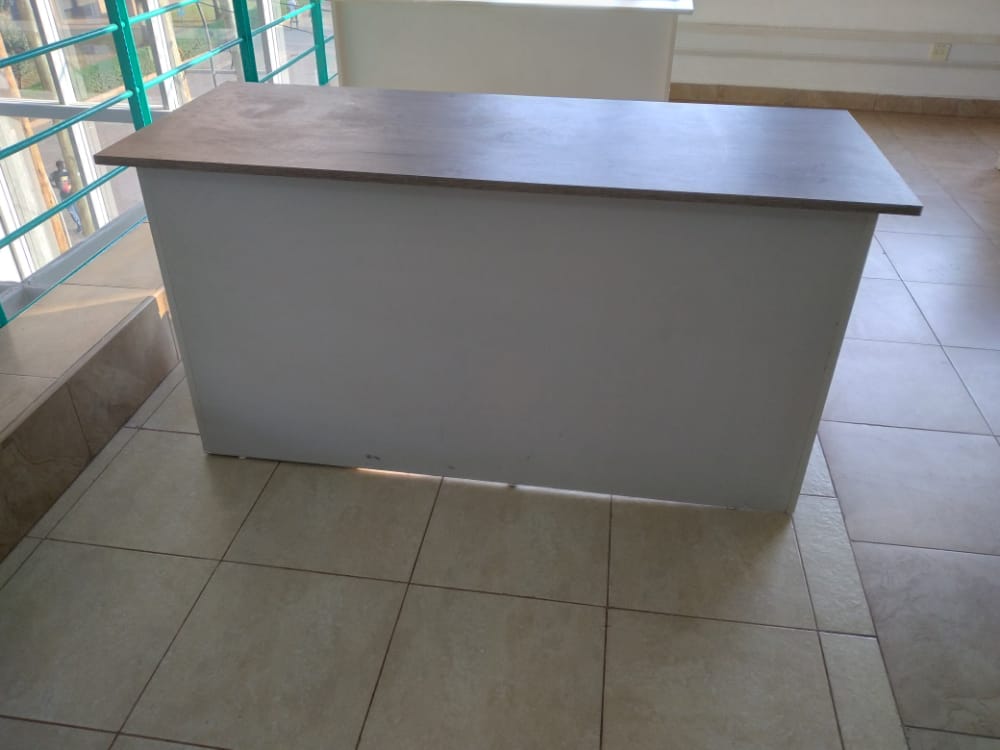
A classic, space-efficient option for smaller offices that still want a premium executive look without the footprint of an L- or U-shaped design.
4. Desks with Credenzas
Pairing a straight or L-shaped desk with a matching credenza (a low storage cabinet) creates extra storage and display space, commonly used for awards, decor, or additional filing.
5. Standing-Adjustable Executive Desks
A growing option for Uganda offices, these combine an executive finish with a height-adjustable frame, letting the user alternate between sitting and standing through the day.
6. Glass-Top Executive Desks
Pairing a solid wood or metal frame with a glass work surface gives a sleek, modern look that suits contemporary offices wanting a lighter, more minimalist feel.
Choosing the Right Material and Finish
- Solid wood – Durable and prestigious, though heavier and generally more expensive.
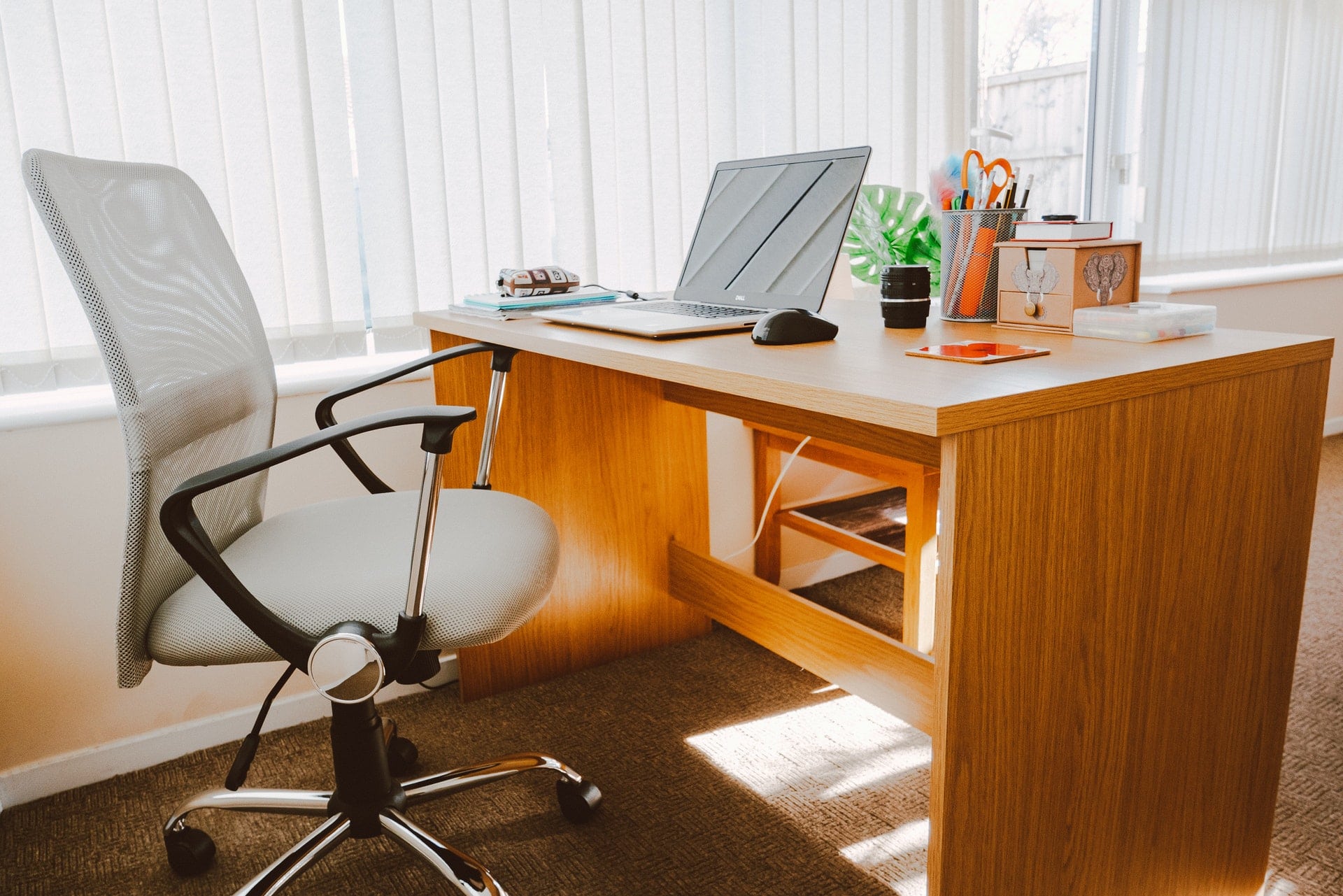
- Wood veneer – The look of solid wood at a more accessible price point, while staying lightweight and durable.
- High-gloss laminate – A modern, sleek option that’s easy to clean and resistant to scratches.
- Metal and glass combinations – Popular in more contemporary offices looking for a minimalist, modern aesthetic.
Factors to Consider Before Buying an Executive Desk in Uganda
- Office size – Measure your space carefully; an oversized desk can overwhelm a smaller office.
- Storage needs – Consider how many drawers, cabinets, or filing sections you actually need.
- Technology integration – Look for desks with cable grommets and space for monitors and docking stations.
- Brand consistency – The desk should complement the rest of your office furniture and interior design.
- Budget – Executive desks range widely in price; balance quality and durability against what your business can realistically invest.
Executive Desk Costs in Uganda
Executive desk pricing in Uganda depends heavily on material and size. Laminate and veneer desks sit at the more affordable end. Solid wood desks and full L-shaped or U-shaped suites with matching credenzas cost more, reflecting the materials and craftsmanship involved. Because the right choice depends on your office layout and budget, the most accurate way to plan is a consultation — get in touch with Mystique Furniture for a tailored quote.
Positioning Your Executive Desk
Where you place the desk matters almost as much as the desk itself. Most executive offices position the desk facing the door for a commanding presence, with enough space behind for shelving, credenzas, or a small seating area for informal meetings. This is worth planning alongside your broader office space planning to make sure the whole room works together.
Frequently Asked Questions
What size should an executive desk be? Most executive desks range from 60 to 72 inches wide, though the right size depends on your office footprint, monitor setup, and how much surface space you actually use day to day.
Is solid wood better than veneer for an executive desk? Solid wood is more durable and prestigious, but veneer offers a very similar look at a lower price and lighter weight — a practical choice for many Uganda offices.
Should an executive desk face the door? Most executive offices position the desk facing the entrance, since it creates a stronger, more commanding presence for anyone entering the room.
Why Invest in a Quality Executive Desk?
A well-made executive desk lasts for years, retains its appearance far longer than budget alternatives, and creates a strong first impression for clients and partners visiting your office. It’s an investment in both functionality and brand image.
Furnish Your Office with Mystique Furniture
Mystique Furniture supplies a curated range of executive desks to suit offices of every size and style across Uganda — from compact straight desks to full L-shaped and U-shaped executive suites with matching credenzas. We also offer full turnkey solutions including planning, delivery, and installation.
Contact Mystique Furniture today to find the executive desk that fits your office and your leadership style.